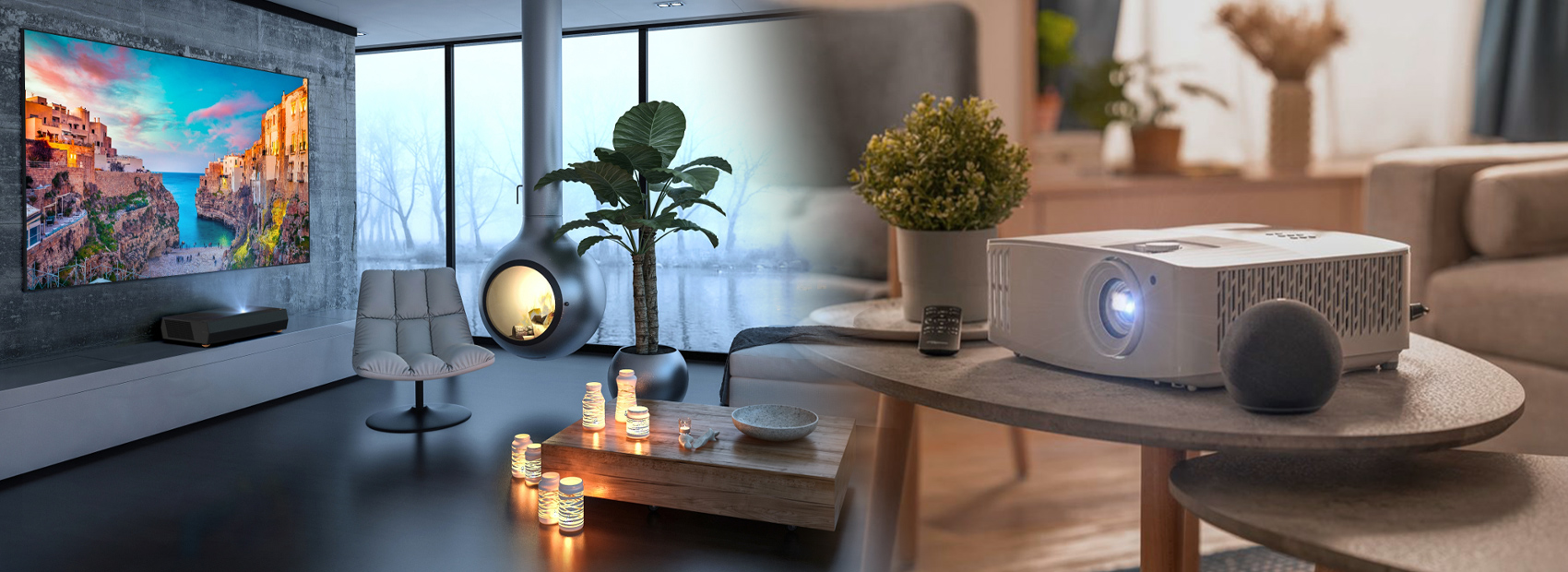
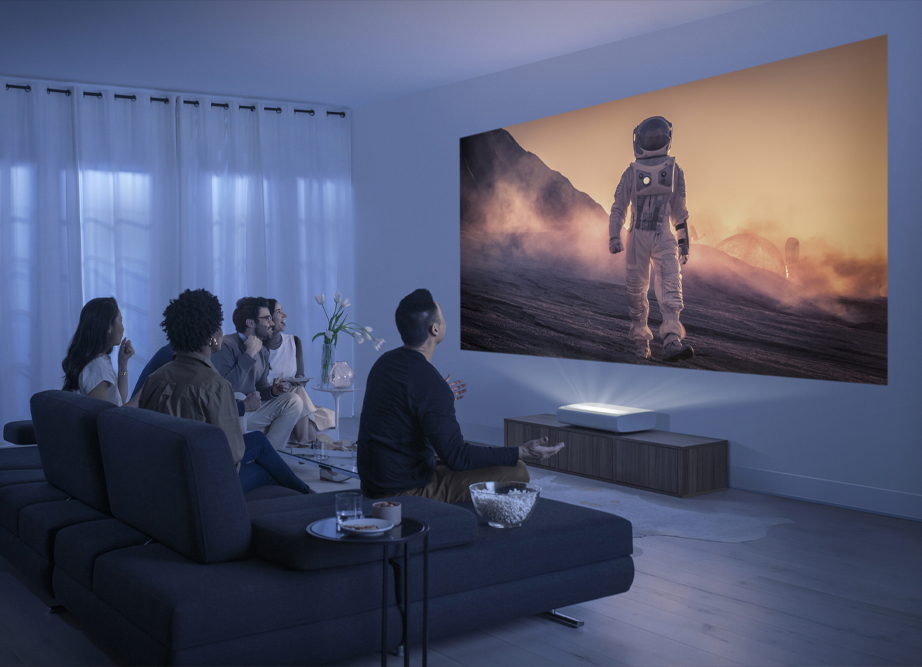
Dreaming of turning your living room into a home theatre with a big screen, but not sure where to start? That's why we're here to guide you through the process so you can find the right projector for your living space and budget.
Dreaming of turning your living room into a home theatre with a big screen, but not sure where to start? That's why we're here to guide you through the process so you can find the right projector for your living space and budget.
Choosing the right Home Projector
The right home projector can transform your living room into an exciting entertainment hub. When selecting a projector, understanding the difference between 4K and 8K resolution is key. While 4K offers stunning image quality with four times the pixels of Full HD, 8K doubles that, providing incredibly sharp and detailed visuals, perfect for larger screens or dedicated home theaters.
But resolution isn’t everything. Consider factors like brightness, contrast, and throw distance to fit your living space. Some projectors are compact and portable, ideal for casual use, with built-in smart features, while others deliver cinema-like performance. Setting a budget helps narrow options without sacrificing quality.
With the right balance of features, resolution, and price, your new projector will bring movies, games, and sports to life in a big way right at home.
Choosing the right Home Projector
The right home projector can transform your living room into an exciting entertainment hub. When selecting a projector, understanding the difference between 4K and 8K resolution is key. While 4K offers stunning image quality with four times the pixels of Full HD, 8K doubles that, providing incredibly sharp and detailed visuals, perfect for larger screens or dedicated home theaters.
But resolution isn’t everything. Consider factors like brightness, contrast, and throw distance to fit your living space. Some projectors are compact and portable, ideal for casual use, with built-in smart features, while others deliver cinema-like performance. Setting a budget helps narrow options without sacrificing quality.
With the right balance of features, resolution, and price, your new projector will bring movies, games, and sports to life in a big way right at home.
Full HD 1080P Projectors
1080P projectors offer Full HD resolution with a display of 1920 x 1080 pixels. This resolution is four times higher than HD-Ready, meaning you get sharper, clearer images with more detail and vibrant colors.
These projectors are an excellent choice for those on a budget who still want high-quality picture performance without paying for 4K models.
They balance affordability with great image clarity, making them popular for home theaters, classrooms, and casual use. With a 1080P projector, you can enjoy cinematic picture quality at a reasonable price, bringing your favorite content to life on the big screen.
Excellent for home cinema, Blu-rays & gaming (PS4, Xbox).
1080P projectors offer Full HD resolution with a display of 1920 x 1080 pixels. This resolution is four times higher than HD-Ready, meaning you get sharper, clearer images with more detail and vibrant colors.
These projectors are an excellent choice for those on a budget who still want high-quality picture performance without paying for 4K models.
They balance affordability with great image clarity, making them popular for home theaters, classrooms, and casual use. With a 1080P projector, you can enjoy cinematic picture quality at a reasonable price, bringing your favorite content to life on the big screen.
Excellent for home cinema, Blu-rays & gaming (PS4, Xbox).
Take your home entertainment to the next level with 4K Ultra HD projectors, delivering an impressive 3840 x 2160-pixel resolution.
This resolution offers four times the detail of traditional Full HD, making every image sharper and more vibrant. With lifelike colors and smooth motion, 4K projectors transform movies, sports, and games into immersive experiences that feel almost real.
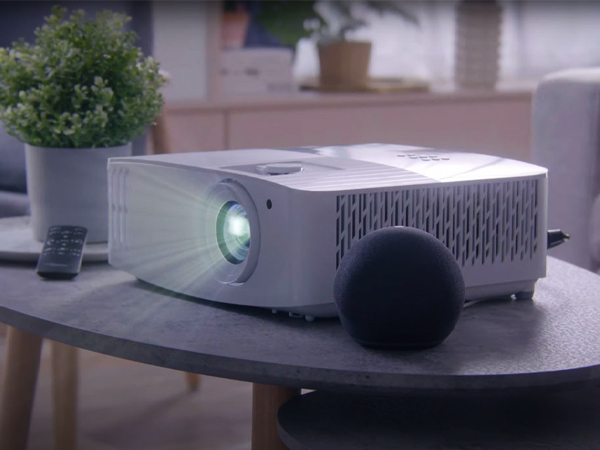
Compact and versatile, 4K projectors bring cinema-quality visuals to any room.
Ready to impress friends and family with breathtaking picture quality? 4K projectors are the perfect choice for an ultimate viewing experience.
Excellent for high-end home cinema, 4K Blu-rays & gaming (PS5, PC).
Take your home entertainment to the next level with 4K Ultra HD projectors, delivering an impressive 3840 x 2160-pixel resolution.
This resolution offers four times the detail of traditional Full HD, making every image sharper and more vibrant. With lifelike colors and smooth motion, 4K projectors transform movies, sports, and games into immersive experiences that feel almost real.
Compact and versatile, 4K projectors bring cinema-quality visuals to any room.
Ready to impress friends and family with breathtaking picture quality? 4K projectors are the perfect choice for an ultimate viewing experience.
Excellent for high-end home cinema, 4K Blu-rays & gaming (PS5, PC).
8K projectors offer an astonishing visual experience, boasting a resolution 12 times higher than Full HD. This means every image is incredibly detailed, with sharper lines, richer textures, and more vibrant colors.
Whether you're watching movies, gaming, or showcasing presentations, 8K delivers flawless realism that pulls you right into the scene.
If you want to upgrade your home theater or professional setup with cutting-edge technology, 8K projectors provide unmatched clarity and lifelike visuals that will wow any audience.
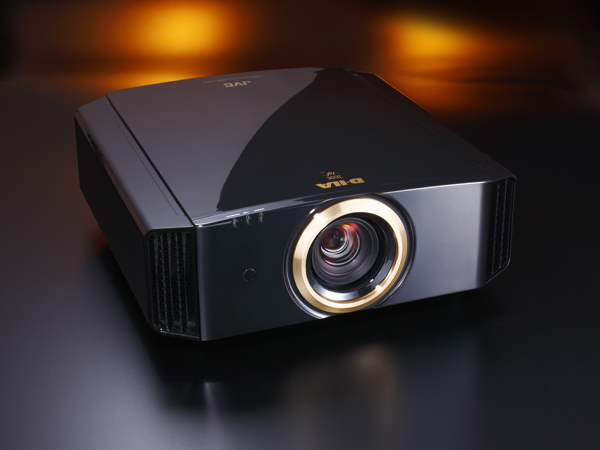
Ultimate high-end no-compromise home cinema experience.
8K projectors offer an astonishing visual experience, boasting a resolution 12 times higher than Full HD. This means every image is incredibly detailed, with sharper lines, richer textures, and more vibrant colors.
Whether you're watching movies, gaming, or showcasing presentations, 8K delivers flawless realism that pulls you right into the scene.
If you want to upgrade your home theater or professional setup with cutting-edge technology, 8K projectors provide unmatched clarity and lifelike visuals that will wow any audience.
Ultimate high-end no-compromise home cinema experience.
When selecting a projector, understanding the type of technology and resolution is key. Resolution determines how much detail your projected image will have: the higher the resolution, the sharper and clearer the image. However, your choice depends largely on your intended use. For example, home theaters benefit from higher resolutions like 1080p or 4K for crisp visuals, while presentations may work well with lower resolutions. Room size and viewing distance also play an important role. Larger rooms or longer distances often require projectors with higher brightness and specific technologies, such as DLP or LCD, which handle light differently. Compact spaces might be fine with simpler setups. By considering how far viewers will sit from the screen and how big the image needs to be, you can pick a projector technology that suits your space perfectly. In short, match the projector type and resolution to your application, room size, and viewing distance to get the best experience.
When selecting a projector, understanding the type of technology and resolution is key. Resolution determines how much detail your projected image will have: the higher the resolution, the sharper and clearer the image. However, your choice depends largely on your intended use. For example, home theaters benefit from higher resolutions like 1080p or 4K for crisp visuals, while presentations may work well with lower resolutions. Room size and viewing distance also play an important role. Larger rooms or longer distances often require projectors with higher brightness and specific technologies, such as DLP or LCD, which handle light differently. Compact spaces might be fine with simpler setups. By considering how far viewers will sit from the screen and how big the image needs to be, you can pick a projector technology that suits your space perfectly. In short, match the projector type and resolution to your application, room size, and viewing distance to get the best experience.
Projector Brightness and ANSI Lumens
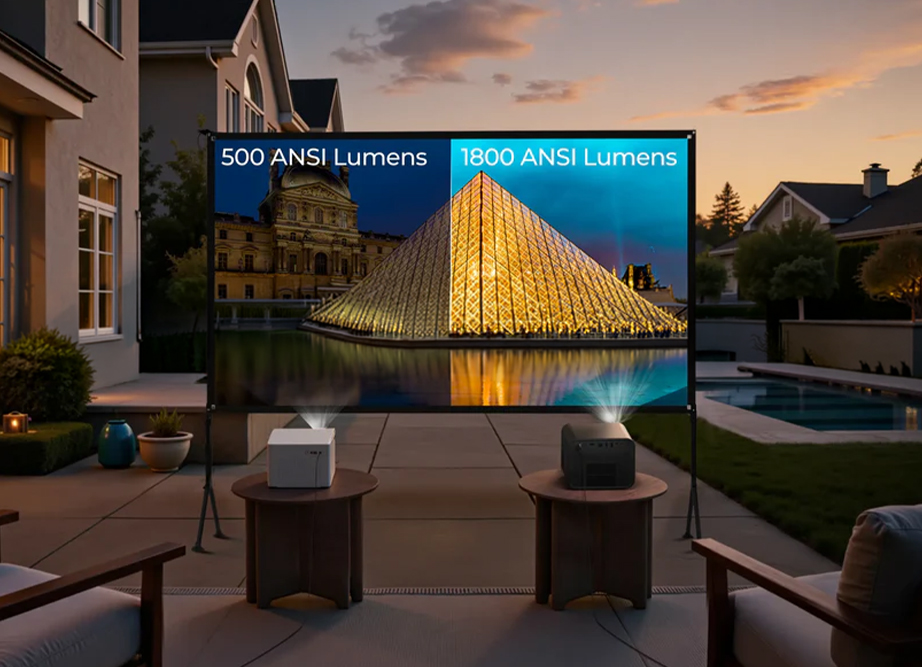
Brightness is measured in ANSI Lumens, a standardized unit that tells you the amount of light the projector produces. However, the required brightness can vary depending on your room's environment. For example, rooms with a lot of ambient light may need a projector with a higher ANSI Lumens rating to ensure the image remains vivid and easy to see. Similarly, if the projector is placed far from the screen, the light spreads out and dims over distance, so more brightness is necessary to maintain a sharp picture. In short, when choosing a projector, consider both the size of your room and how far the image has to travel. Selecting the right ANSI Lumens makes movies come to life.
Application. Room Size
The first question to ask when buying a projector is, “What do I need it for?” Your purpose will guide you to the right features. For example, if you're setting up a home cinema, look for projectors that support the 16:9 aspect ratio, which matches most movies' format. This ensures you get the right picture size and avoid black bars on the screen. When it comes to resolution, both Full HD (1080p) and 4K projectors fit the 16:9 format. Full HD offers great picture quality for most uses, while 4K brings extra detail, especially on larger screens. Beyond resolution and aspect ratio, consider brightness, contrast, and connectivity to complete your perfect home cinema experience.
Projector Brightness
and ANSI Lumens
Brightness is measured in ANSI Lumens, a standardized unit that tells you the amount of light the projector produces. However, the required brightness can vary depending on your room's environment. For example, rooms with a lot of ambient light may need a projector with a higher ANSI Lumens rating to ensure the image remains vivid and easy to see. Similarly, if the projector is placed far from the screen, the light spreads out and dims over distance, so more brightness is necessary to maintain a sharp picture. In short, when choosing a projector, consider both the size of your room and how far the image has to travel. Selecting the right ANSI Lumens makes movies come to life.
Application. Room Size
The first question to ask when buying a projector is, “What do I need it for?” Your purpose will guide you to the right features. For example, if you're setting up a home cinema, look for projectors that support the 16:9 aspect ratio, which matches most movies' format. This ensures you get the right picture size and avoid black bars on the screen. When it comes to resolution, both Full HD (1080p) and 4K projectors fit the 16:9 format. Full HD offers great picture quality for most uses, while 4K brings extra detail, especially on larger screens. Beyond resolution and aspect ratio, consider brightness, contrast, and connectivity to complete your perfect home cinema experience.
Types of Projectors
Types of Projectors
Standard Throw
The standard throw, also known as a long throw, is the most common type of projector setup. To produce a sharp 100-inch image with a 16:9 aspect ratio, it typically needs a throw distance of about 8 to 10 feet (244 to 305 cm). This makes it an excellent choice for both home theater environments, especially when space is limited, but a large image is desired. One important thing to keep in mind is that standard throw projectors require a flat projection surface to work well. Their versatility makes them a popular and practical option for most everyday projection needs.
Short Throw
Short-throw projectors create large images while minimizing shadows and eye glare, making them ideal for close-range setups. Unlike traditional projectors that need to be placed far from the screen, short-throw models work best at distances between 3 to 8 feet. This allows them to be installed on a wall or ceiling close to the projection surface, saving space and reducing interruption from people walking in front of the beam. Tthey provide bright, clear images without casting obstructive shadows or causing discomfort from bright light shining in viewers' eyes.
Ultra Short Throw
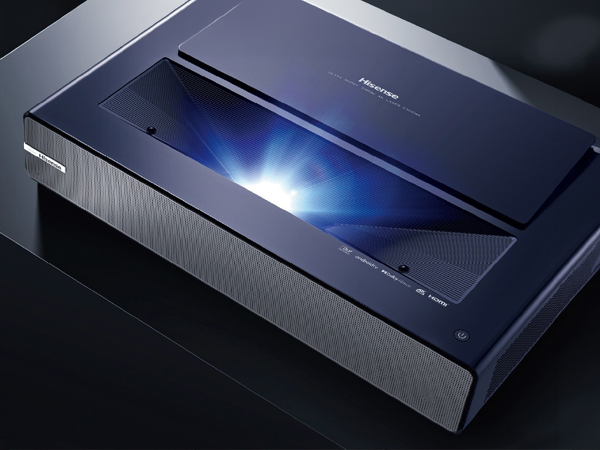
Ultra-short-throw projectors are designed to sit very close to the screen, usually between zero and four feet away. This setup virtually eliminates shadows and eye glare, making viewing more comfortable and immersive. Unlike traditional projectors that need considerable space, ultra-short throw models can be placed on a table, mounted on a wall, or fixed to a ceiling near the projection surface. This close projection distance means users rarely have to worry about blocking the image with their bodies or dealing with distracting bright light in their eyes.
Standard Throw
The standard throw, also known as a long throw, is the most common type of projector setup. To produce a sharp 100-inch image with a 16:9 aspect ratio, it typically needs a throw distance of about 8 to 10 feet (244 to 305 cm). This makes it an excellent choice for both home theater environments, especially when space is limited, but a large image is desired. One important thing to keep in mind is that standard throw projectors require a flat projection surface to work well. Their versatility makes them a popular and practical option for most everyday projection needs.
Short Throw
Short-throw projectors create large images while minimizing shadows and eye glare, making them ideal for close-range setups. Unlike traditional projectors that need to be placed far from the screen, short-throw models work best at distances between 3 to 8 feet. This allows them to be installed on a wall or ceiling close to the projection surface, saving space and reducing interruption from people walking in front of the beam. Tthey provide bright, clear images without casting obstructive shadows or causing discomfort from bright light shining in viewers' eyes.
Ultra Short Throw
Ultra-short-throw projectors are designed to sit very close to the screen, usually between zero and four feet away. This setup virtually eliminates shadows and eye glare, making viewing more comfortable and immersive. Unlike traditional projectors that need considerable space, ultra-short throw models can be placed on a table, mounted on a wall, or fixed to a ceiling near the projection surface. This close projection distance means users rarely have to worry about blocking the image with their bodies or dealing with distracting bright light in their eyes.
Technology Explained
DLP Technology
DLP (Digital Light Processing) is an innovative display technology that uses tiny digital micromirrors to create sharp and vibrant images. At the heart of a DLP projector is a chip covered with thousands of these microscopic mirrors, each representing a single pixel. Light from a lamp passes through a spinning color wheel that separates it into red, green, and blue components. This method allows DLP projectors to deliver crisp, bright visuals with smooth motion and rich contrast.
3LCD Technology
3LCD is a popular display technology that uses liquid crystal panels as optical elements to project images. Unlike single-chip projectors, 3LCD projectors split light into three colors, red, green, and blue, each passing through its own liquid crystal panel. These panels control the amount of light passing through, which then recombines and projects through a lens onto the screen. This method results in bright, vibrant, and true-to-life images with excellent color accuracy.
Laser Technology
Laser projectors stand out for their exceptional reliability and nearly maintenance-free operation. Unlike traditional projectors that rely on bulbs, laser models offer up to 20,000 hours of bright, vibrant performance without needing a bulb replacement. This dramatically cuts down ongoing costs and hassle, making them a great investment. Available in a range of resolutions, including breathtaking 4K laser projectors that deliver sharp, detailed images even on very large screens.
DLP Technology
DLP (Digital Light Processing) is an innovative display technology that uses tiny digital micromirrors to create sharp and vibrant images. At the heart of a DLP projector is a chip covered with thousands of these microscopic mirrors, each representing a single pixel. Light from a lamp passes through a spinning color wheel that separates it into red, green, and blue components. This method allows DLP projectors to deliver crisp, bright visuals with smooth motion and rich contrast.
3LCD Technology
3LCD is a popular display technology that uses liquid crystal panels as optical elements to project images. Unlike single-chip projectors, 3LCD projectors split light into three colors, red, green, and blue, each passing through its own liquid crystal panel. These panels control the amount of light passing through, which then recombines and projects through a lens onto the screen. This method results in bright, vibrant, and true-to-life images with excellent color accuracy.
Laser Technology
Laser projectors stand out for their exceptional reliability and nearly maintenance-free operation. Unlike traditional projectors that rely on bulbs, laser models offer up to 20,000 hours of bright, vibrant performance without needing a bulb replacement. This dramatically cuts down ongoing costs and hassle, making them a great investment. Available in a range of resolutions, including breathtaking 4K laser projectors that deliver sharp, detailed images even on very large screens.
Loading...
Cookie Policy
Ad Storage
Analytics Storage
Ad User Data
Ad Personalization
Personalization Storage
Functionality Storage
Security Storage
Anonymous Site Statistics
Privacy Policy
Cookie Policy
To make our website even better, we use functional and analytical cookies. Information from this website and your preferences are stored in these cookies by your browser. You can read more about the cookies we use in our Privacy & Cookies Policy
Ad Storage
Enables storage, such as cookies (web) or device identifiers (apps), related to advertising.
Analytics Storage
Enables storage, such as cookies (web) or app identifiers (apps), related to analytics, e.g. visit duration.
We use analytics to understand how visitors use our website and where we can improve it. Detailed analytics and anonymous site statistics are enabled by default. You can turn either option off here at any time.
Ad User Data
Sets consent for sending user data for advertising purposes.
Ad Personalization
Sets consent for personalized advertising.
Personalization Storage
Enables storage related to personalization e.g. video recommendations.
Functionality Storage
Enables storage that supports the functionality of the website or app such as language settings.
Security Storage
Enables storage related to security such as authentication functionality, fraud prevention, and other user protection.
Anonymous Site Statistics
Enabled by default. Allows anonymous, aggregated statistics about products, searches, delivery availability and broad device types. This setting does not create an individual visitor journey.
We use cookies to enhance your browsing experience, serve personalized ads or content,and analyse our traffic. By clicking "Accept All", you consent to our use of cookies.